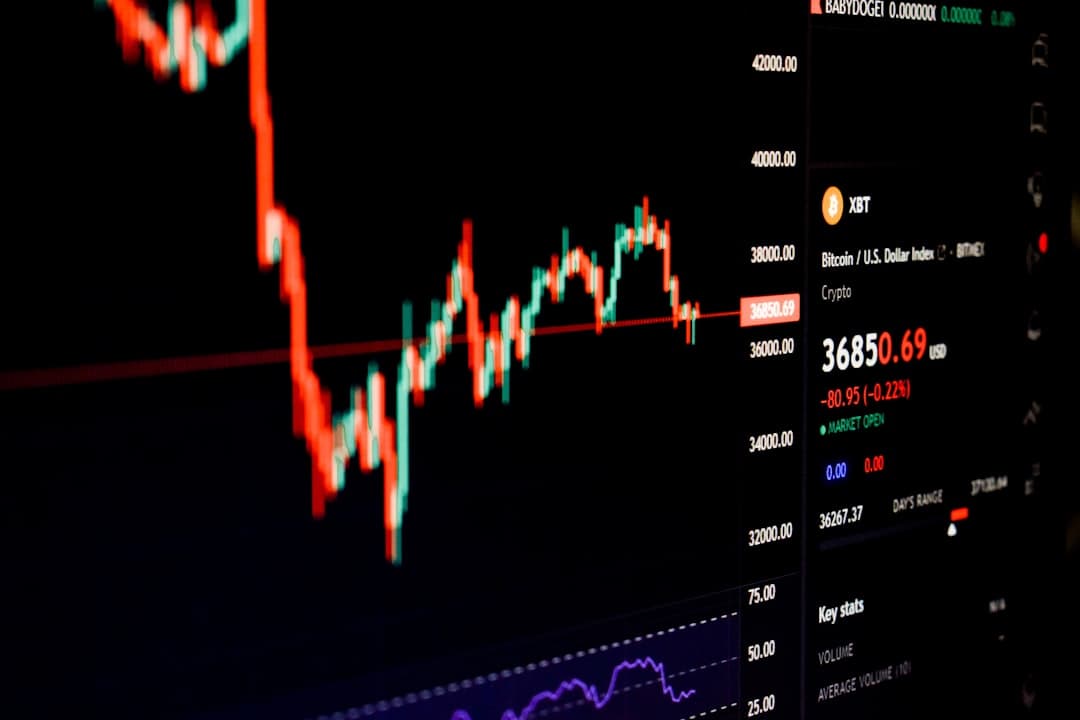
Day Trading Forex: Strategies and Systems for Active Traders
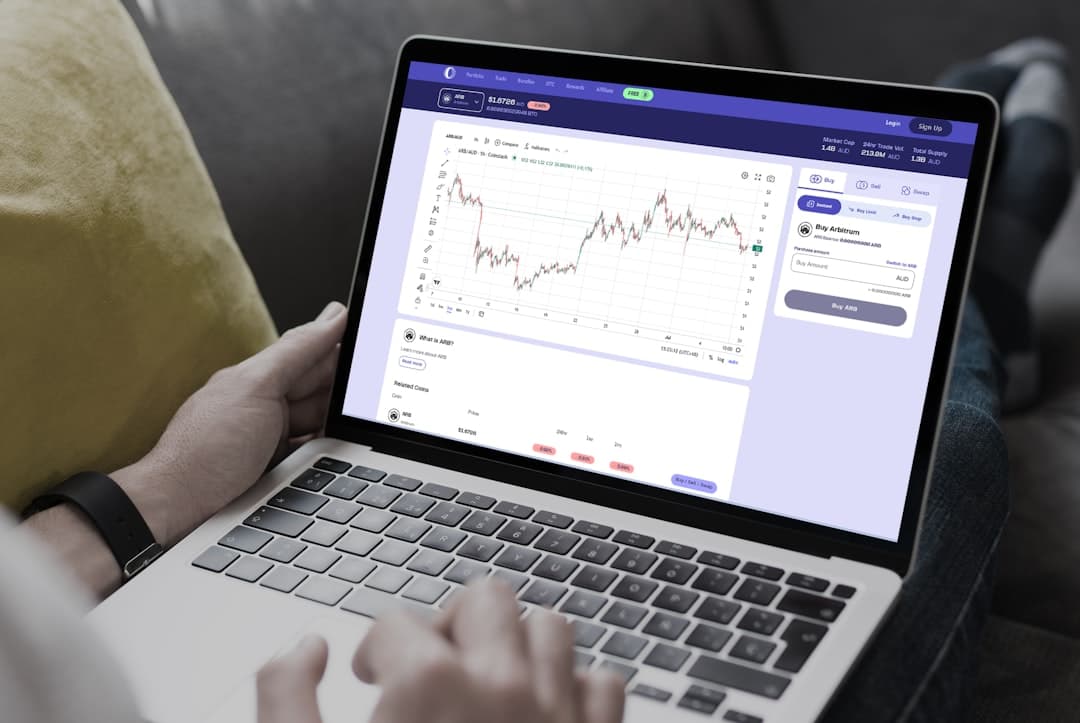
What is Day Trading?
Day trading means entering and exiting positions within the same trading day—holding positions for minutes to hours, but never overnight. Day traders avoid overnight gap risk but face high-frequency trading challenges.
Successful day trading requires:
- Quick decision-making: Opportunities exist for only minutes
- Tight stops: A bad trade must be exited immediately
- Fast execution: Delay of seconds can mean significant losses
- Emotional control: Multiple quick trades can create psychological pressure
Day Trading Advantages
Avoids Overnight Risk
- No gap risk from economic news overnight
- Positions don't sit through central bank announcements
- Predictable daily risk/reward
Opportunities in Volatility
- Multiple trading sessions (Tokyo, London, New York)
- Each session transition creates volatility and opportunities
- Currency strength can change significantly intraday
No Holding Costs
- Some brokers charge overnight holding (swap) fees
- Day traders avoid this altogether
Leverage Efficiency
- More total trades with same capital
- Can maintain higher overall position exposure
Day Trading Disadvantages
Requires Significant Time
- Active monitoring needed during trading hours
- Even a few minutes away can miss setups
- Not suited for those with day jobs
High Transaction Costs
- Multiple trades per day = multiple spreads paid
- Even 1-2 pip spreads add up across 10+ trades
- Widens break-even point
Exhaustion and Emotional Strain
- Rapid decision-making creates stress
- Multiple losing trades compound frustration
- Revenge trading is tempting after losses
Best Trading Sessions for Day Trading
Different forex sessions create different opportunities:
Tokyo Session (22:00-07:00 GMT)
Characteristics:
- Less volatile than London/New York
- Good for AUD/USD, NZD/USD, USD/JPY
- Best pairs: AUD/NZD (both Asian)
Day trading strategy: Range trading—currency pairs often trade between support/resistance in Asian hours.
London Session (08:00-17:00 GMT)
Characteristics:
- Highest liquidity for global majors
- Opens with European economic news
- Most volatile session overall
Day trading strategy: Breakout trading—wait for directional breakout from opening range.
New York Session (13:00-22:00 GMT)
Characteristics:
- U.S. economic data released
- Tends to create trends
- GBP/USD particularly volatile
Day trading strategy: Trend following—identify trend and follow it with moving averages.
London-New York Overlap (13:00-17:00 GMT)
Characteristics:
- Highest volume globally
- Peak volatility
- Tightest spreads
Tip: Best time for day trading; most opportunities occur during this window.
Day Trading Strategies
Strategy 1: Breakout Trading
Identify consolidation (sideways movement), then trade the break.
Setup:
- Identify support and resistance (consolidation zone)
- Wait for price to break above resistance (bullish) or below support (bearish)
- Enter on the breakout with confirmation (volume increase, candlestick close beyond level)
- Stop loss: Just beyond the consolidation zone
- Target: Next resistance/support or 1:2 risk-reward
Example:
- EUR/USD consolidated between 1.0800-1.0850 for 2 hours
- Breaks above 1.0850 with volume
- Buy at 1.0852
- Stop: 1.0840
- Target: 1.0880 (risk-reward 1:1.4)
Strategy 2: Moving Average Crossover
Use fast and slow moving averages on short timeframes.
Setup (15-minute chart):
- 9 EMA (fast) and 20 EMA (slow)
- Buy when 9 EMA crosses above 20 EMA
- Sell when 9 EMA crosses below 20 EMA
- Stop loss: 15-20 pips beyond entry
- Target: Next resistance or 1:2 ratio
Advantages:
- Mechanical system (reduces emotions)
- Works on all timeframes
- Creates regular signals
Disadvantages:
- Lag in choppy markets creates false signals
- Requires confirmation from other indicators
Strategy 3: Range Trading
Trade within support and resistance in sideways markets.
Setup:
- Identify clear support and resistance
- Buy near support (when currency is weak intraday)
- Sell near resistance (when currency is strong intraday)
- Stop loss: Just beyond support/resistance
- Target: Opposite end of range
Example:
- GBP/USD oscillates between 1.2500 (support) and 1.2550 (resistance)
- Buy at 1.2505, sell at 1.2545
- Repeat 5-10 times per day within the range
- Exit when price breaks outside the range
Strategy 4: Scalping (Advanced)
Very short-term trading: enter and exit within seconds to minutes, targeting tiny moves.
Requirements:
- Very tight stops (5-10 pips)
- High probability setups
- Must have fast execution
- Very low transaction costs
Scalping setup:
- Use 1-minute or 5-minute charts
- Enter when price touches support (within the range)
- Exit immediately (30-50 pips later)
- Risk small per trade (0.25-0.5%)
Reality: Most retail traders should NOT scalp. Spreads and transaction costs make it unprofitable for most.
Currency Strength for Day Trading
Using a currency strength meter for day trading:
Intraday Currency Strength Shifts
- Currency strength changes throughout the day
- Tokyo: AUD/JPY might be strong
- London: EUR/GBP might be strong
- New York: USD dominates
Optimal Day Trading Setup
- Check currency strength meter at session start
- Identify strongest and weakest currencies
- Trade that pair (strongest vs weakest)
- Apply your technical strategy
- Close at end of session or when target hit
Example London session:
- EUR shows strength (positive economic data)
- GBP shows weakness (Bank of England hawkish shift delayed)
- Trade: EURGBP long
- Apply breakout strategy + currency strength confirmation = high probability setup
Day Trading Timeframes
Different timeframes suit different approaches:
1-Minute Charts
Use for: Scalping only
- Extremely noisy
- Full of false signals
- Most retail traders fail at this level
5-Minute Charts
Use for: Very short-term traders
- Good for fast in/out trades
- Require tight stops (10-15 pips)
- Reasonable for breakout trading
15-Minute Charts
Use for: Most active day traders Sweet spot: Short enough for multiple setups, long enough to filter noise
- Good for breakout, correlation, and moving average strategies
- Can hold positions 30 minutes to several hours
- Tight stops (15-25 pips)
4-Hour Charts
Use for: Swing trading (not really day trading)
- Actually overnight positions
- Not technical "day trading" by definition
- More align with directional trading
Recommendation: Start with 15-minute charts as a day trader.
Day Trading Money Management
Adjust money management for day trading's unique requirements:
Position Sizing
Still follow 1-2% risk rule, but may adjust:
- Multiple scalps: 0.5% per trade
- Deeper target trades: 1-2% per trade
- Active sessions: Total intraday risk capped at 5-10%
Correlation Risk
Multiple day trades in correlated pairs (EUR/USD and GBP/USD) need risk adjustment:
- If trading both, use 1% each
- Both can lose simultaneously if Dollar weakens
Daily Loss Limit
Consider a hard stop for the day:
- If down 2% of account by noon, stop trading
- Protects against emotional revenge trading
- Maintains capital for tomorrow
Day Trading Psychology
Emotions Unique to Day Trading
Time Pressure: Must decide quickly
- Overcome: Pre-planned strategies (follow your system, don't think)
Overtrading: Temptation to trade everything
- Overcome: Only trade high-probability setups; wait for your setup to appear
Revenge Trading: Trying to quickly recover losses
- Overcome: Daily loss limit; take time away after bad trades
Screen Fatigue: 8 hours watching screens exhausts you
- Overcome: Take breaks; day trade only 4-6 hours per session
Common Day Trading Mistakes
- Trading the first 15 minutes of a session: Volatile, spreads wide
- Over-trading: Taking marginal setups out of boredom
- Ignoring time zones: Trading dead sessions with no volume
- Revenge trading after losses: Abandoning your system
- No daily stop loss: Continuing after you've hit daily loss limit
- Holding overnight "just in case": Adds overnight risk
- Trading during news: Huge volatility creates slippage and gapping stops
- Poor position sizing: Trading larger on losing days
Conclusion
Day trading forex can be profitable with the right strategy, discipline, and money management. Focus on:
- Trading only during high-volume sessions
- Using proven strategies (breakout, moving average, range trading)
- Combining with currency strength analysis
- Strict position sizing (0.5-2% per trade)
- Daily loss limits
- Mechanical execution (follow your system)
Remember: Day trading is more demanding than swing trading or position trading. It requires active monitoring, emotional control, and constant attention. Unless you can commit full-time hours with the discipline required, consider swing trading (longer timeframes) instead. Quality setups matter more than frequency—better to make 2 great trades than 20 mediocre ones.
Partner Offer
Open an Exness Account
Start trading with Exness through our partner link. Click the button below to open the account page with the best experience for your device.