Technical Analysis for Forex Trading: Complete Guide to Charts and Indicators

Introduction to Technical Analysis
Technical analysis is one of the two primary approaches to analyzing forex markets (the other being fundamental analysis). It's based on the principle that all market information is already reflected in price, and therefore historical price movements can help predict future trends.
Many beginners dismiss technical analysis, but professional traders worldwide rely on it daily. When combined with a currency strength meter for context, technical analysis becomes an extremely powerful tool for identifying high-probability trading opportunities.
Understanding Price Charts
Before analyzing prices, you need to understand how to read charts.
Types of Charts
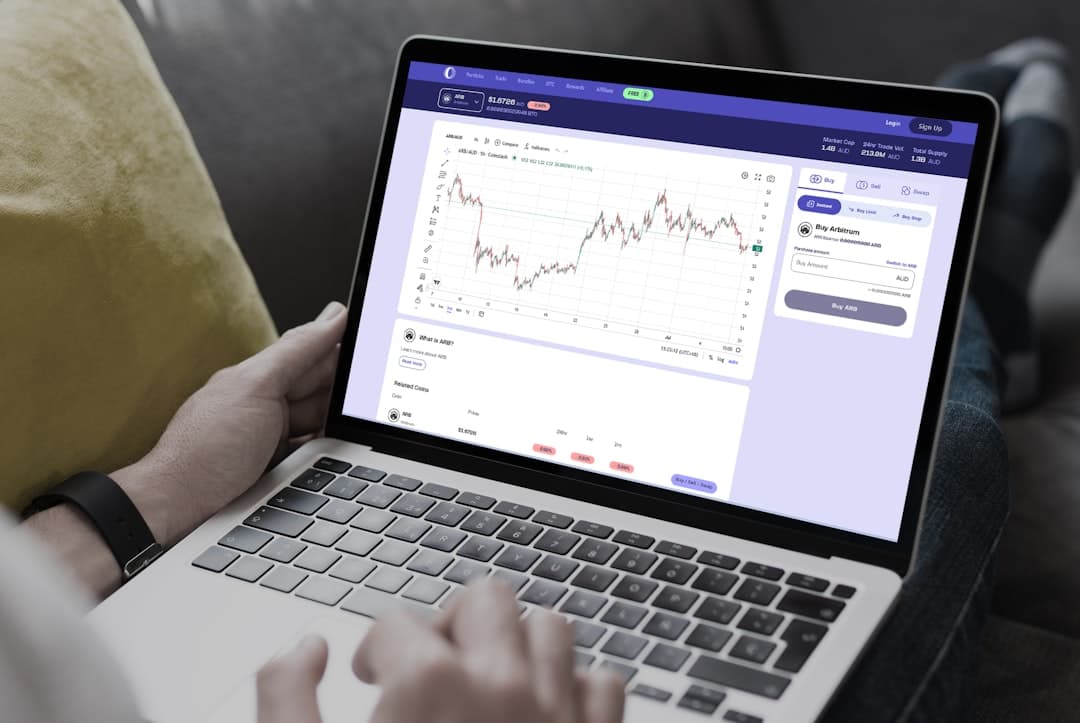
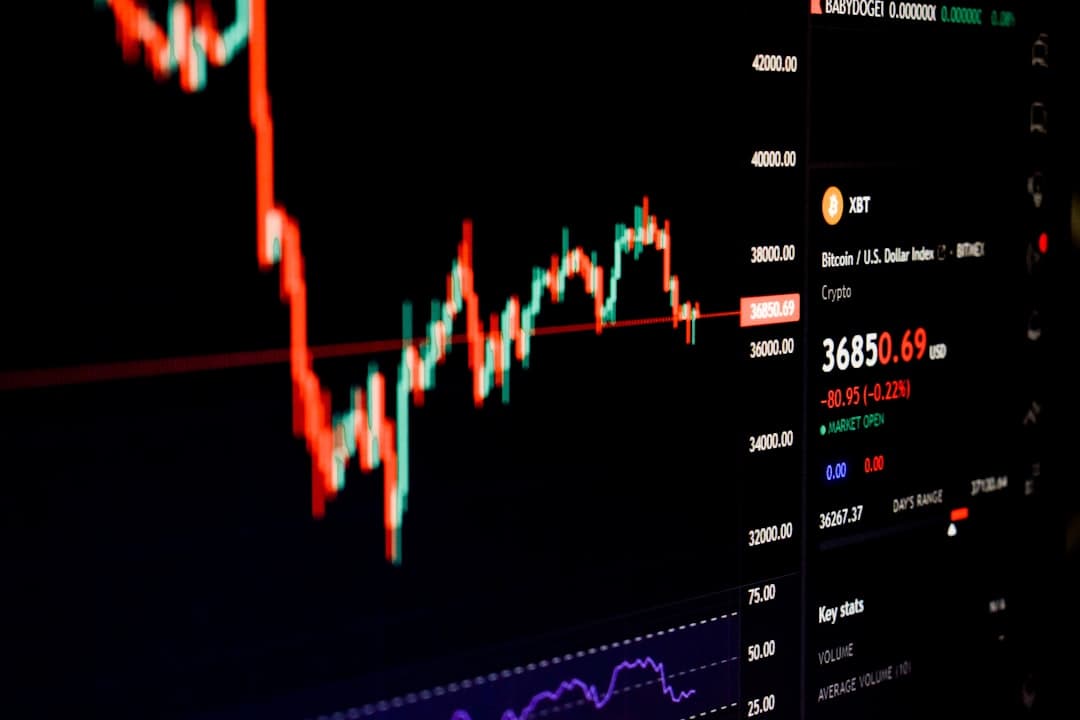
Candlestick Charts (Most Popular) Each candlestick represents a specific time period (1 minute, 5 minutes, 1 hour, 1 day, etc.). The candlestick shows:
- Open: Where the period started
- Close: Where the period ended
- High: The highest price during the period
- Low: The lowest price during the period
The "body" (thick part) shows the open-close range. If the close is above the open, the body is usually green (bullish). If below, it's usually red (bearish). The thin lines extending above and below are called "wicks" or "shadows," showing the high and low prices.
Bar Charts Less visually intuitive but convey the same information: open, high, low, and close for each period.
Line Charts Show only closing prices connected by lines. Good for simplicity but lack detail.
Timeframes for Trading
- M1/M5: 1-minute and 5-minute charts for scalping (quick trades)
- M15/M30: 15-minute and 30-minute charts for short-term trading
- H1/H4: 1-hour and 4-hour charts for day trading
- D1: Daily chart for swing trading
- W1/MN: Weekly and monthly for long-term trends
Beginner recommendation: Start with 4-hour and daily charts. They're less noisy and align with actual market-moving economic events.
Support and Resistance
Support and resistance are fundamental concepts every forex trader must understand.
What is Support?
Support is a price level where demand is strong enough to prevent the price from falling further. When price approaches support, buyers step in, causing price to bounce upward.
What is Resistance?
Resistance is a price level where supply is strong enough to prevent price from rising further. When price approaches resistance, sellers step in, causing price to pull back downward.
How to Identify Support and Resistance
- Previous swing highs and lows: Price tends to reverse at previous turning points
- Round numbers: Traders often place orders at round levels (1.5000, 1.6000, etc.)
- Horizontal levels: Areas where price has bounced multiple times
- Trend lines: Lines drawn through multiple tops or bottoms
- Moving averages: Dynamic support/resistance levels
Using Support and Resistance for Trading
Support trade example: EUR/USD bounces at 1.0800, resistance at 1.0850
- Buy at 1.0810 (buy pullback to support)
- Stop loss: 1.0800 (below support)
- Target: 1.0850 (resistance level)
Trendlines
A trendline is a line connecting multiple tops (in a downtrend) or bottoms (in an uptrend) to visualize the trend's direction and slope.
Uptrends and Downtrends
Uptrend: Series of higher highs and higher lows. Draw a line through the lows:
- Price above the trendline = healthy uptrend
- Price touches the trendline = potential buy signal
- Price breaks below = trend may be reversing
Downtrend: Series of lower highs and lower lows. Draw a line through the highs:
- Price below the trendline = healthy downtrend
- Price touches the trendline = potential sell signal
- Price breaks above = trend may be reversing
Trendline Trading Strategy
- Identify the trend (uptrend or downtrend)
- Wait for price to touch the trendline
- Enter in the direction of the trend
- Place stop loss slightly beyond the trendline
- Target the next swing high or resistance level
Candlestick Patterns
Candlestick patterns represent price action sequences that repeat throughout markets.
Bullish Reversal Patterns
Hammer
- Long lower wick, small body, little or no upper wick
- Appears at bottoms
- Indicates buyers reversing selling pressure
- Signal: Bullish reversal
Bullish Engulfing
- First candle: Small red candle (bearish)
- Second candle: Large green candle that completely engulfs the first
- Indicates sellers losing control to buyers
- Signal: Strong bullish reversal
Morning Star
- First candle: Down candle (bearish)
- Second candle: Small-body candle (indecision)
- Third candle: Up candle (bullish)
- Signal: Bottom formation, expect uptrend
Bearish Reversal Patterns
Hanging Man
- Long lower wick, small body, little or no upper wick
- Appears at tops
- Indicates weakness despite price recovery
- Signal: Bearish reversal
Bearish Engulfing
- First candle: Small green candle (bullish)
- Second candle: Large red candle that engulfs the first
- Indicates buyers losing control to sellers
- Signal: Strong bearish reversal
Evening Star
- First candle: Up candle (bullish)
- Second candle: Small-body candle (indecision)
- Third candle: Down candle (bearish)
- Signal: Top formation, expect downtrend
Trading Candlestick Patterns
Don't trade patterns in isolation. Confirm with:
- Recent support/resistance levels
- Volume trends
- Currency strength analysis
- The overall market context
Moving Averages
Moving averages smooth price data over time, making trends clearer and filtering noise.
Simple Moving Average (SMA)
Calculates the average price over a specific number of periods:
SMA = (Price 1 + Price 2 + ... + Price N) / N
A 50-period SMA averages the last 50 prices. As new prices come in, the oldest price drops out.
Characteristics:
- Responsive to recent prices
- Can lag behind fast price movements
- Popular values: 20, 50, 100, 200
Exponential Moving Average (EMA)
Gives recent prices more weight than older prices:
Characteristics:
- More responsive than SMA to recent price changes
- Less lag than SMA
- Popular values: 9, 20, 50, 100
Using Moving Averages
Trend Confirmation:
- Uptrend: Price above moving averages; shorter-term MA above longer-term MA
- Downtrend: Price below moving averages; shorter-term MA below longer-term MA
Trading Strategy:
- Buy when 20 EMA crosses above 50 EMA (bullish crossover)
- Sell when 20 EMA crosses below 50 EMA (bearish crossover)
- Also confirm with price action and currency strength analysis
Relative Strength Index (RSI)
RSI measures the magnitude of recent price changes to evaluate overbought or oversold conditions.
RSI Basics
- Range: 0 to 100
- Overbought: RSI > 70 (potential reversal down coming)
- Oversold: RSI < 30 (potential reversal up coming)
- Neutral: RSI between 40 and 60
Using RSI
Overbought Signal:
- RSI > 70 suggests price may be due for a correction
- Look for resistance to sell
- Placement: Place orders near resistance with RSI > 70
Oversold Signal:
- RSI < 30 suggests price may bounce higher
- Look for support to buy
- Placement: Place orders near support with RSI < 30
Confirmation:
- Don't buy RSI > 70 without support below
- Don't sell RSI < 30 without resistance above
- Use with other indicators for confirmation
MACD (Moving Average Convergence Divergence)
MACD provides multiple signals through the relationship between moving averages.
MACD Components
- MACD Line: Difference between 12 and 26-period EMAs
- Signal Line: 9-period EMA of the MACD line
- Histogram: Difference between MACD and Signal line (shown as bars)
MACD Signals
Bullish Signals:
- MACD crosses above the signal line
- MACD crosses above the zero line (from below)
- Histogram turns green (MACD above signal)
Bearish Signals:
- MACD crosses below the signal line
- MACD crosses below the zero line (from above)
- Histogram turns red (MACD below signal)
Trading MACD
- Wait for MACD to cross above the signal line (bullish)
- Enter a buy order
- Exit when MACD crosses below the signal line
- Confirm with support/resistance and currency strength
Combining Technical Analysis with Currency Strength
Technical analysis is most effective when combined with currency strength analysis.
Optimal Trading Setup:
- Identify strong and weak currencies using a currency strength meter
- Select the pair (e.g., Strong GBP vs Weak EUR = GBP/EUR)
- Apply technical analysis (find support, resistance, entry signals)
- Confirm with candlestick patterns or moving average crossovers
- Enter with stop loss and target
This combination dramatically increases trade probability.
Common Technical Analysis Mistakes
- Too many indicators: Using 10 indicators creates conflicting signals
- Ignoring volume: Price moves need volume confirmation
- False breakouts: Not all price breaks lead to trends; confirm with volume
- Oversold/overbought alone: RSI > 70 doesn't mean sell immediately
- Ignoring larger trends: Trading against major trends usually fails
- No stop loss: Never trade without defined risk
Conclusion
Technical analysis is a crucial skill for forex traders. Master the fundamentals—support/resistance, trendlines, candlesticks, and moving averages—before adding complex indicators. When combined with a currency strength meter to identify which currencies are genuinely strong or weak, technical analysis becomes a powerful tool for identifying high-probability trading opportunities.
Remember: technical analysis is a skill developed through practice. Use demo accounts to practice these concepts without risking real money. Once you're consistent, gradually move to live trading with proper risk management.
Partner Offer
Open an Exness Account
Start trading with Exness through our partner link. Click the button below to open the account page with the best experience for your device.